




Project Summary
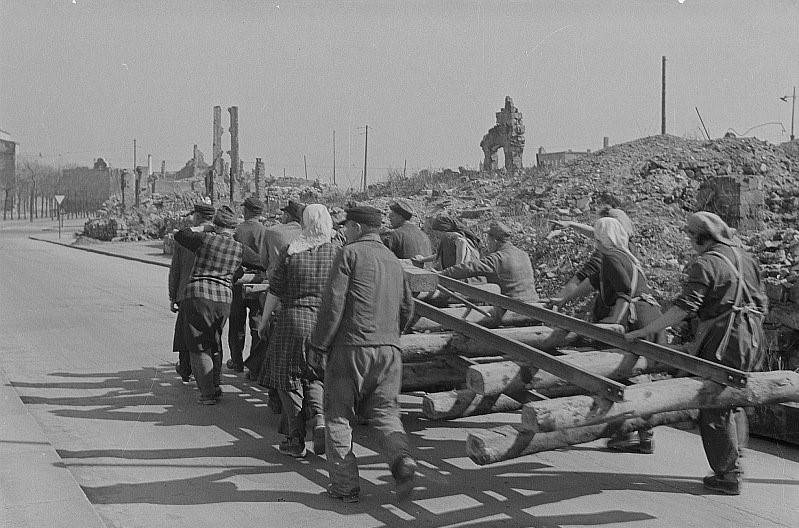
Urban recovery following conflicts and disasters is a critical topic in urban areas suffering from violence and natural hazards. Recovery is becoming more complex, especially in light of rapid urbanization, the climate change crisis, and the ongoing global political unrest. The traditional top-down urban recovery framework has proven to be ineffective because it does not put the interests and needs of the impacted population and local capacities at the forefront of the recovery process. The shortcomings of traditional recovery have led researchers to consider shifting to a more collaborative and participatory approach to leading the recovery of destroyed cities. The development of digital urban planning platforms, as well as advancements in construction technologies such as Building Information Modeling (BIM), have paved the way for cities to adopt a collaborative participatory framework. This research will investigate how these digital tools and platforms can be used to engage Syrian architects, practitioners, and displaced Syrians in Damascus’ post-disaster context.
Project Objectives
The project aims to experiment with creating an interactive digital space for all Syrian citizens and Syrian practitioners around the world to foster active and meaningful public participation in deciding the future of destroyed neighbourhoods and cities during the recovery phase. The digital space helps the participants express their opinions, comment, document and create designs through a virtual environment of Damascus.
Workshop Objectives
This workshop aims to create a digital space for Syrians all over the world to share their ideas, opinions, comments and designs about the future of their destroyed neighbourhoods and cities. This workshop is the first scholarly attempt to explore and examine the effectiveness of involving Syrians living abroad in the urban recovery phase of destroyed cities using digital planning and spatial methods. During the workshop, participants will fill out a survey, then interact with two digital models of a Damascus neighborhood and express their opinions by adding comments, ideas, and designs. The digital environment allows participants to see all the ideas, comments and designs of other participants. In addition, the platform has a data bank and a space to add questions.
The interactive environment was created through the Urban Collective Design Environment project (UCODE). All details related to the UCODE project are in the attached leaflet.
Important note
If the participant feels at any stage of the workshop that participation has caused him any kind of discomfort or disturbance, please communicate directly with the researcher and the research assistant present to ensure full support and assistance.
If you have any questions or inquiries about the study, you can contact (Karam Alkatlabe) by phone (07568643820) or via email (ka518@cam.ac.uk).
 karamkatlabe